⏱️ 20 minute read | Updated November 2026
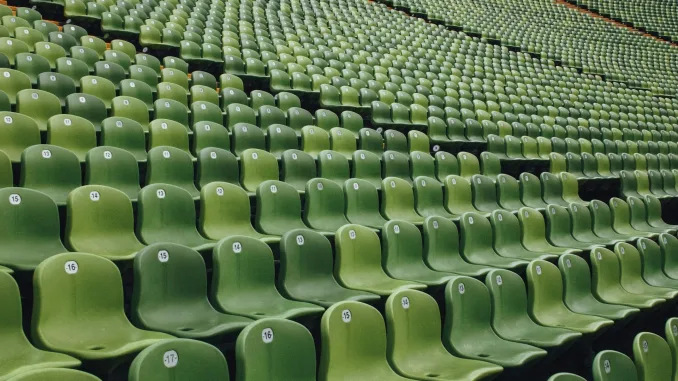
Choosing the right seat at a Six Nations match can make a considerable difference to your matchday experience. While some supporters want to be close enough to hear the tackles and feel involved in the action, others prefer an elevated view where they can follow the movement of both teams across the entire pitch.
The best seats at the Six Nations are not necessarily the most expensive, either. A well-positioned upper-tier seat can offer a better overall view of a rugby match than a more expensive ticket in the front rows, while sitting behind the posts can provide a surprisingly good combination of atmosphere and value.
With six very different stadiums hosting the Championship, understanding their layouts can help you make a more informed decision before buying tickets. This guide explores the different types of rugby stadium seating, where to sit at each Six Nations venue and how to find the right balance between view, atmosphere and price.
Where Are the Best Seats at a Rugby Match?
For most spectators, the best overall seats at a rugby match are slightly elevated and positioned close to the halfway line. This provides a balanced view of both ends of the pitch, making it easier to follow attacking movements, defensive positioning, tactical kicking and the development of play.
Unlike football, where much of the decisive action happens around the penalty areas, rugby involves phases of play that can develop anywhere on the field. Being able to see the space available to attacking players and how defensive lines are organised can add considerably to your understanding and enjoyment of the match.
However, the ideal seat depends on what you want from the experience. Sitting close to the pitch can make an international feel much more physical and immersive, while a position behind the posts offers a different perspective on the game and can place you in a particularly lively section of the crowd.
If you are attending your first Six Nations match, a central seat with some elevation is an excellent starting point. It offers a good compromise between feeling involved in the occasion and being able to follow everything happening on the pitch.
Six Nations Seating at a Glance
| Seating position | Best for | Main consideration |
|---|---|---|
| Halfway line, elevated | Overall view and tactical understanding | Usually more expensive |
| Lower-tier touchline | Proximity to players and physical action | Less visibility across the entire pitch |
| Behind the posts | Atmosphere and attacking movements | Action at the opposite end feels distant |
| Corner sections | Balance of atmosphere and affordability | Less symmetrical view |
| Upper-tier central | Panoramic view and potential value | Further from the players |
| Hospitality seating | Comfort and premium matchday experience | Higher overall cost |
The exact experience will vary between stadiums, but these principles apply across most Six Nations venues.
Is It Better to Sit in the Lower or Upper Tier?
One of the most common assumptions when buying rugby tickets is that sitting closer to the pitch automatically means having a better seat. In reality, some of the most enjoyable views can be found considerably higher up.
Lower-tier seating is excellent for appreciating the physical nature of international rugby. You get a much greater sense of the speed of the players, the intensity of contact and the noise generated around scrums, tackles and lineouts. If you are sitting along the touchline, you may also find yourself particularly close to some of the most absorbing moments of the match.
The drawback is perspective. From the lowest rows, it can be difficult to judge distances, see gaps in defensive lines or follow play developing on the opposite side of the field.
Upper-tier seating provides a very different experience. Although you lose some of that proximity, the additional elevation allows you to appreciate the tactical side of rugby in a way that can be difficult from pitch level.
Where a stadium has three seating tiers, the middle tier often provides an excellent compromise. You are elevated enough to see the entire playing surface without feeling too detached from the action.
Is It Worth Paying More to Sit on the Halfway Line?
Halfway-line tickets are usually among the most expensive standard admission options at Six Nations matches, particularly when combined with a desirable seating tier.
There is a good reason for that premium. Rugby matches constantly shift between the two ends of the pitch, and a central position allows you to follow the action without spending large periods of the game looking into the distance.
For supporters who enjoy analysing rugby, the halfway line is particularly appealing. It provides a clearer view of how teams build attacks, create overlaps and use tactical kicking to gain territory.
That does not mean you need to sit directly on halfway. Seats between the halfway line and either 22-metre line can offer similarly enjoyable views, sometimes at a lower price.
If the difference in cost is substantial, moving a few blocks further towards the corner may be a sensible compromise. The improvement in your view from upgrading to the most central category is not always proportional to the extra money you will spend.
What Are Rugby Seats Behind the Posts Like?
Sitting behind the posts provides a completely different perspective from watching along the touchline.
When a team is attacking towards your end, you can see gaps opening in defensive lines, appreciate the positioning of supporting players and follow the direction of kicks in a way that closely resembles the view from behind the players themselves.
There is also something particularly exciting about watching a try scored directly in front of you. At a major international, the reaction from the surrounding crowd can be one of the most memorable parts of the afternoon.
The obvious disadvantage is that play at the opposite end can feel quite distant, especially in the larger Six Nations stadiums. Goalposts can also interrupt parts of your view depending on your exact seat.
Behind-the-posts tickets are frequently available at lower prices than comparable central touchline seats, making them an attractive option for supporters who prioritise atmosphere and affordability.
Best Seats at Twickenham (Allianz Stadium), London
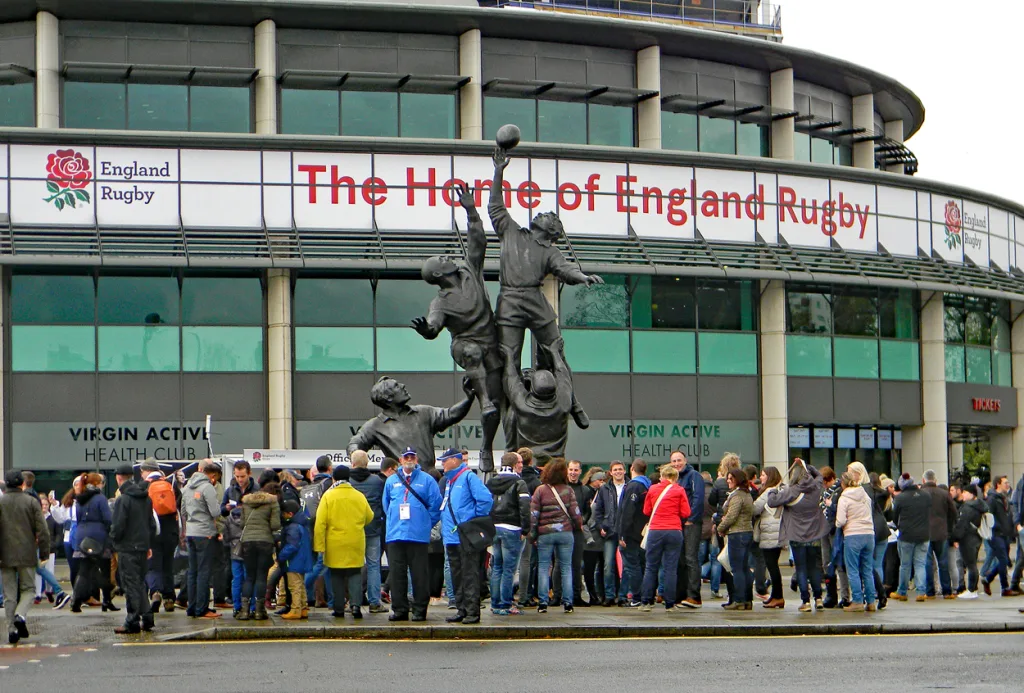
Twickenham is the largest dedicated rugby union stadium in the world, with a seating layout spread across three main tiers. Its scale means that the difference between sitting close to the pitch and sitting high in the upper tier can be particularly noticeable.
For the best overall rugby view, the middle tier of the East or West Stand near the halfway line is difficult to beat. These positions provide an excellent overview of the pitch while retaining a strong connection with the atmosphere inside the stadium.
The lower tier along either touchline is a good alternative if you want to appreciate the physical intensity of an England international. Sitting a little further back from the front rows can provide enough additional elevation to improve visibility without sacrificing too much proximity.
Supporters looking for better-value England tickets should consider upper-tier seats towards the corners or ends. Twickenham’s size means these seats can feel quite distant, but the elevated perspective can still be excellent for following the game.
For a first visit, a central middle-tier seat would be a particularly attractive choice if your budget allows. However, the atmosphere generated by a packed Twickenham during a Calcutta Cup match or a meeting with France can make almost any seating position feel worthwhile.
Our Twickenham Stadium guide provides more detailed information on seating, stadium facilities, transport and planning your England matchday.
Best Seats at Principality Stadium, Cardiff
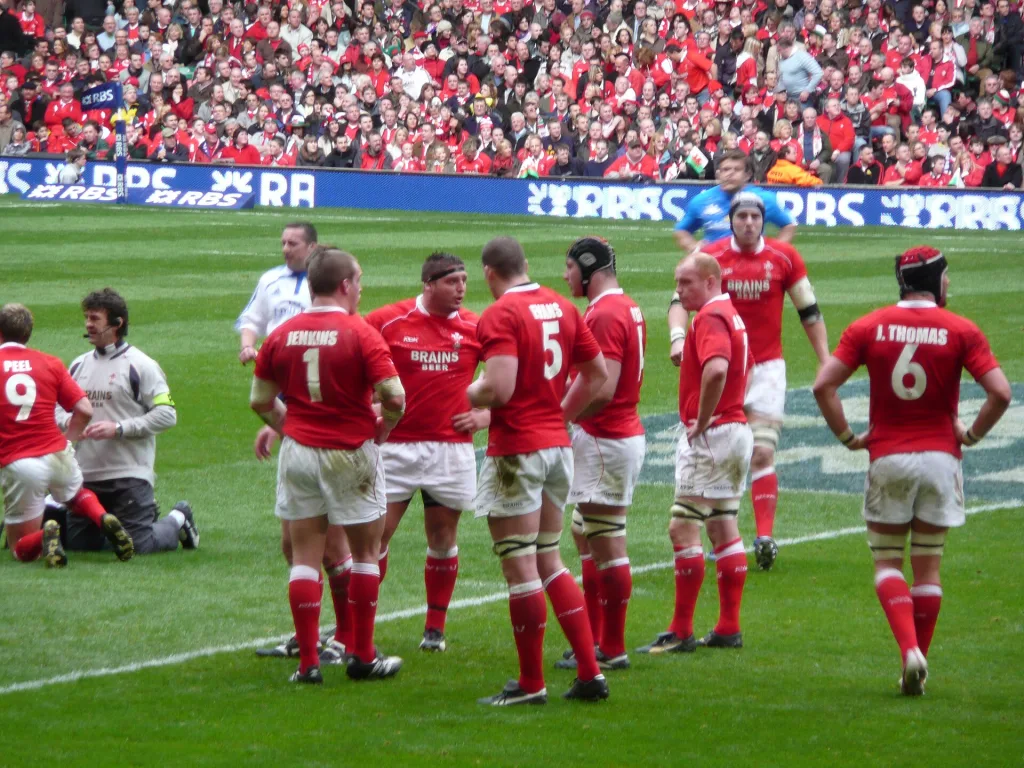
Principality Stadium offers one of the most distinctive seating experiences in the Six Nations. Its steep-sided, three-tier layout keeps spectators relatively close to the pitch, while the retractable roof can create an exceptionally intense atmosphere when closed.
Middle-tier seats along the touchline provide an excellent balance of elevation and proximity. They are particularly appealing for supporters who want a clear view of the rugby without losing the feeling of being surrounded by the Welsh crowd.
The upper tier is also worth considering. Although the higher rows can feel steep and may not suit everyone, the perspective across the pitch can be excellent. Seats towards the front of the upper tier can offer a particularly attractive compromise between view and price.
Lower-tier seating behind the posts is a good option for supporters who want to immerse themselves in the atmosphere. With the roof closed and Wales attacking towards your end, the noise can be extraordinary.
As with any stadium, check the exact row and whether overhanging tiers or other structural features affect the view before purchasing.
For more information on choosing your seat and making the most of a rugby weekend in Cardiff, see our Principality Stadium guide.
Best Seats at Murrayfield, Edinburgh
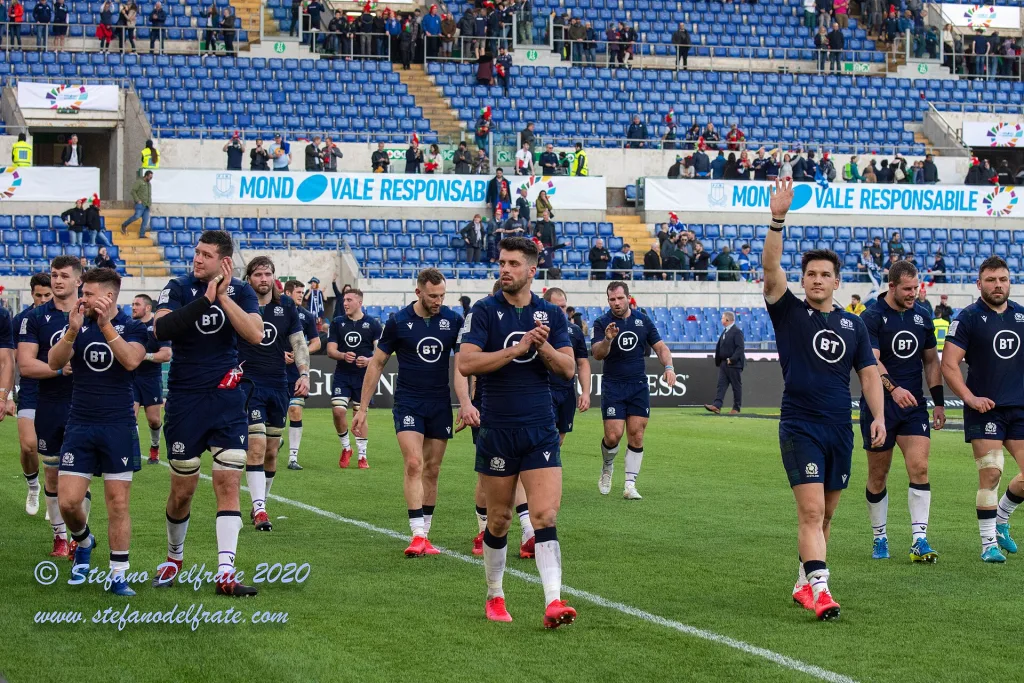
Scottish Gas Murrayfield has a more traditional stadium layout, with the East and West Stands running along the touchlines and the North and South Stands positioned behind the posts.
Central seats in either the East or West Stand provide the strongest all-round view of the rugby. An elevated position is particularly useful here because Murrayfield is a large stadium with a relatively expansive playing area.
One feature worth considering is the running track alongside the West Stand, which creates additional separation between spectators and the touchline. If getting as close to the players as possible is important to you, compare lower-tier positions in the East Stand.
The upper tiers can offer excellent panoramic views, particularly for supporters who enjoy watching the tactical development of a match. Seats towards the ends of the stadium can also provide better value, depending on the fixture and ticket category.
Weather is another consideration at Murrayfield. Edinburgh in February or March can be cold, and spectators in more exposed rows may feel the conditions considerably more than those sitting further back under cover.
For a closer look at the stadium layout and practical matchday advice, read our Murrayfield Stadium guide.
Best Seats at Aviva Stadium, Dublin
Aviva Stadium is noticeably different from several other Six Nations venues because of its distinctive asymmetric design. The North Stand is substantially lower than the other three sides, creating a stadium layout that does not follow the conventional symmetrical bowl.
For the best overall view, look towards central seating in the East or West Stand. A moderately elevated position provides a good balance between proximity and the ability to follow play from one end of the field to the other.
The South Stand offers a more substantial end-on seating experience, while the smaller North Stand provides a particularly different perspective. Lower seating and varying levels of shelter make it worth checking the exact location of your ticket rather than simply choosing a category based on price.
Aviva Stadium’s relatively compact capacity helps create an intimate atmosphere compared with larger venues such as Twickenham or Stade de France. However, the combination of limited capacity and exceptionally strong demand for Ireland internationals means that finding your ideal seat may be difficult.
For Ireland’s 2027 home matches against England and France, securing a ticket at a price you are comfortable with may take priority over finding the perfect block.
Our Aviva Stadium guide covers the venue in more detail, including seating, accessibility and getting to the ground.
Best Seats at Stade de France, Paris
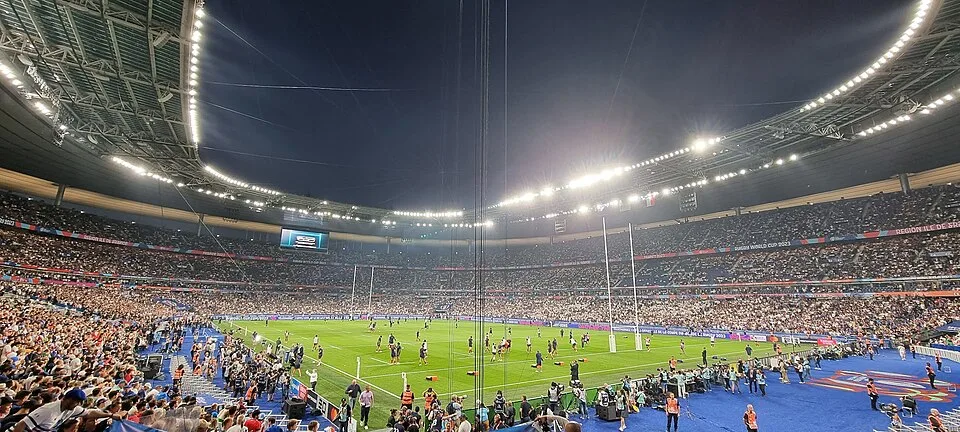
Stade de France is one of the largest stadiums in European rugby, and its multi-purpose design creates a different viewing experience from some of the Championship’s more compact venues.
Central touchline seats with a degree of elevation are the strongest choice for following the entire match. The middle seating levels can provide a particularly good overview, while lower-tier seats offer a closer connection with the players.
Because of the stadium’s scale, supporters sitting high up behind the posts may find that play at the opposite end feels quite distant. Nevertheless, the panoramic view and atmosphere generated by a major France international can make these seats very enjoyable, particularly if they are available at a significantly lower price.
When choosing between an expensive lower-tier corner seat and a more centrally positioned upper-tier ticket, it is worth considering whether the additional height might actually improve your understanding of the game.
Supporters visiting Paris for the first time should also remember that the occasion extends beyond the view from their seat. Hearing La Marseillaise sung by a packed Stade de France is an experience that can be appreciated from anywhere inside the stadium.
For detailed venue information and advice on getting to Saint-Denis, see our Stade de France guide.
Best Seats at Stadio Olimpico, Rome
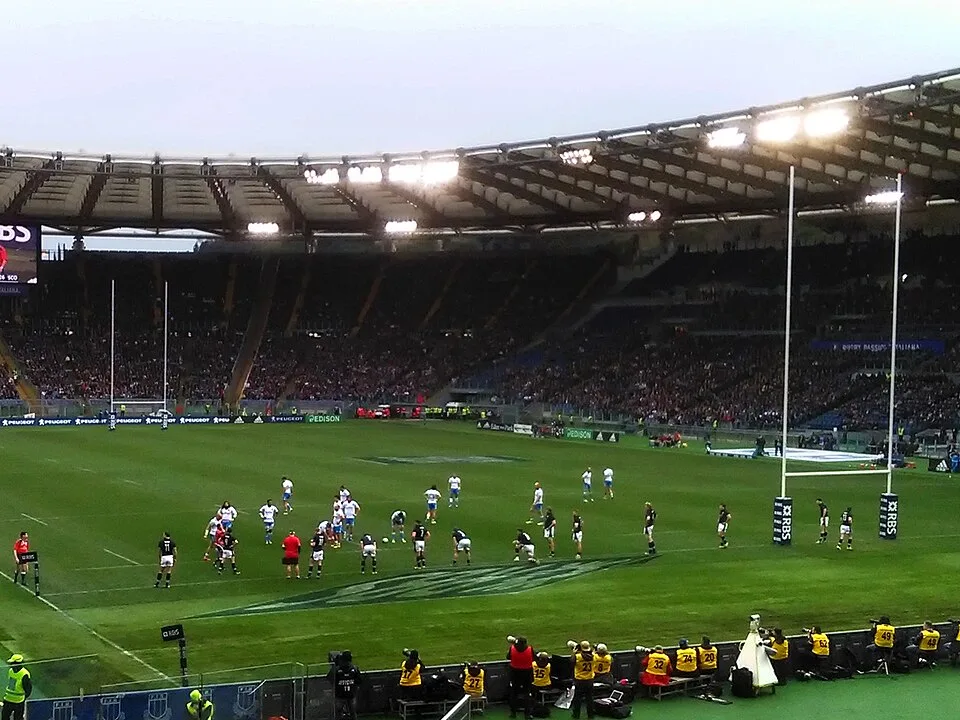
Rome’s Stadio Olimpico presents arguably the most distinctive seating considerations of the six venues because its athletics track creates a considerable distance between the stands and the rugby pitch.
That separation means sitting in the very front rows does not necessarily provide the same close-up experience you might expect at Twickenham or Principality Stadium.
For the best overall rugby view, look for elevated central seats in either the Tribuna Monte Mario or Tribuna Tevere. Both stands run along the length of the pitch, providing a much more balanced perspective than the curved ends.
The Curva Nord and Curva Sud sit behind the ends of the playing area and can provide some of the most affordable ways to attend an Italy international. The trade-off is distance, particularly when play moves towards the opposite end.
For many visiting supporters, Rome offers an opportunity to combine international rugby with a European city break. If experiencing the Six Nations is the main objective rather than securing a premium view, a less expensive ticket can free up more of your budget for accommodation, restaurants and exploring the city.
Our Stadio Olimpico guide explains the different seating areas and provides practical advice for attending a match in Rome.
Comparing the Best Seats Across All Six Nations Stadiums
| Stadium | Best overall view | Areas to consider for value |
|---|---|---|
| Twickenham | Central East or West Stand, middle tier | Upper-tier corners and ends |
| Principality Stadium | Central middle tier | Front of upper tier, corners |
| Murrayfield | Elevated central East or West Stand | North and South Stands |
| Aviva Stadium | Central East or West Stand | Less central blocks and end seating |
| Stade de France | Elevated central touchline | Upper-tier corners and ends |
| Stadio Olimpico | Central Tribuna Monte Mario or Tribuna Tevere | Curva Nord and Curva Sud |
These recommendations are a starting point rather than an exact ranking of individual blocks. Ticket categories, availability and prices vary between fixtures, so check the relevant stadium seating plan before making a purchase.
Where Should You Sit for the Best Six Nations Atmosphere?
The best atmosphere is not always found in the most expensive sections of a stadium. Lower-tier seating behind the posts and towards the corners can be particularly lively, although the character of a crowd depends on the fixture and the supporters around you.
At Principality Stadium, the steep stands and retractable roof can amplify the noise considerably. Twickenham has its own character during major England internationals, while the pre-match anthems at Murrayfield, Aviva Stadium and Stade de France can be among the highlights of the entire weekend.
Unlike football, rugby supporters are not generally separated into strictly segregated home and away sections. That means you can often enjoy the match surrounded by supporters of both countries, regardless of where you sit.
If you are travelling to support your country, our guide to how Six Nations away tickets work explains how visiting unions and rugby clubs distribute their official allocations.
Finding the Best-Value Six Nations Seats
Finding value is about more than simply identifying the cheapest available ticket. A relatively small upgrade might move you from a high corner section to a more central position, while a much larger increase in price may provide only a marginal improvement in your view.
When comparing tickets, consider the relationship between the block, row, tier and price rather than relying entirely on the category assigned by the seller. Two tickets within the same broad pricing band can offer quite different experiences.
It is also worth comparing different fixtures. The cost of a premium seat for a less sought-after match may be similar to the price of an entry-level ticket for one of the Championship’s biggest rivalries.
Our Six Nations ticket prices guide explains how prices vary by fixture, seating category and ticket source.
If you are travelling for the match, remember that an upgrade to a more expensive seat also affects the budget available for the rest of your trip. Our guide to how much a Six Nations weekend costs can help you put the ticket price into the context of your overall spending.
Are Six Nations Hospitality Seats Worth It?
Hospitality packages typically combine premium match tickets with additional benefits such as dining, drinks, dedicated lounges and entertainment. Depending on the venue and package, they can also provide access to some particularly desirable seating areas.
However, the value of hospitality is not determined by the seat alone. You are paying for a wider matchday experience, which can include several hours of entertainment before and after the rugby.
If your main priority is watching the match from the best possible position, a premium standard admission ticket may provide everything you need. Hospitality becomes more attractive when comfort, convenience and the overall occasion are equally important, or when standard tickets are particularly difficult to obtain.
Always check the precise seating location included in a hospitality package. Premium hospitality facilities do not necessarily mean that the accompanying seat is positioned directly on the halfway line.
Our Six Nations hospitality guide explains the different types of packages available and what you can typically expect from the experience.
Choosing Six Nations Seats for Families and First-Time Visitors
Families and supporters attending their first international may have slightly different priorities from experienced rugby spectators.
Easy access to toilets, refreshments and stadium exits can be just as important as the view, particularly when attending with younger children. A seat near an aisle can make it easier to move around without disturbing other spectators, while avoiding the steepest upper-tier sections may make the experience more comfortable.
It is also worth considering shelter. Six Nations matches take place in February and March, when rain, wind and cold temperatures are all possible. Sitting beneath a roof does not necessarily guarantee protection from wind-driven rain, particularly in the front rows.
Supporters with accessibility requirements should consult the venue’s official accessibility guidance before purchasing tickets. Dedicated wheelchair positions, companion seating, accessible entrances and step-free routes vary between stadiums and seating areas.
A comfortable, practical seat can be considerably more enjoyable than a premium ticket that does not suit your individual needs.
What to Check Before Buying Six Nations Tickets
Once you have decided which part of the stadium suits you best, take a moment to check the details of the specific ticket being advertised.
- Block and tier: establish where the seat is located using the stadium’s official seating plan.
- Row: consider the elevation, distance from the pitch and potential exposure to the weather.
- Restricted views: check whether the ticket is advertised as having any viewing limitations.
- Seats together: confirm that your group will be seated together rather than assuming consecutive tickets guarantee this.
- Accessibility: establish whether stairs, steep gradients or other access restrictions could affect your visit.
- Total price: include booking fees and other charges when comparing similar seats.
- Ticket delivery: understand how and when your tickets will be supplied.
Where available, official interactive seating plans and virtual seat-view tools can help you understand the perspective from a particular block before committing to a purchase.
Six Nations Seating FAQs
Where are the best seats at the Six Nations?
For the best overall view, choose an elevated seat near the halfway line. Middle-tier seating is particularly attractive at stadiums with three tiers, while upper-central seating can provide an excellent alternative at a lower price.
Is the lower tier better for watching rugby?
The lower tier is better for feeling close to the physical action, but elevated seats often provide a clearer overview of the entire pitch. The best choice depends on whether you prioritise proximity or perspective.
Are seats behind the posts good for rugby?
Yes. Behind-the-posts seats offer an interesting view of attacking movements, kicking and defensive formations. They can also provide excellent atmosphere and value, although play at the opposite end may feel distant.
Is it worth paying more for halfway-line tickets?
It can be, particularly if you enjoy following the tactical side of rugby. However, seats slightly further towards either 22-metre line can provide similarly enjoyable views at a potentially lower price.
Are upper-tier rugby tickets worth buying?
Upper-tier tickets can offer excellent value and panoramic views of the pitch. They are particularly suitable for supporters who want to follow the overall development of play rather than sit close to individual players.
Where are the cheapest seats at Six Nations matches?
The least expensive standard tickets are often located towards the corners, behind the posts or in higher seating tiers. Exact pricing depends on the stadium, fixture and ticket categories.
Do Six Nations stadiums have designated away sections?
Six Nations supporters are not generally segregated in the same way as football fans. Visiting unions may receive designated ticket allocations, but supporters of both teams can usually be found throughout the stadium.
Can I choose my exact seat when buying Six Nations tickets?
Some official ticketing platforms allow you to select individual seats, while club allocations and other sellers may only offer a seating category or block. Always check what is guaranteed before completing your purchase.
Finding Your Perfect Six Nations Seat
There is no single seating position that suits every rugby supporter. A central, elevated seat provides the strongest all-round view, but sitting closer to the action or behind the posts can deliver an equally memorable experience for different reasons.
The important thing is to understand what you are paying for. Consider the stadium layout, your budget, the fixture and the type of matchday experience you want before deciding whether a more expensive ticket is genuinely worth the upgrade.
Whether you are watching England at Twickenham, experiencing the atmosphere in Cardiff or following your country to Rome, the right seat is ultimately the one that allows you to enjoy the occasion in the way that matters most to you.
Explore our complete Six Nations stadiums guide to compare all six venues, or find available tickets for your preferred fixture and seating category.