
Image Credit: Steve Rodrigue Pexels Free License
⏱️ 18 minute read | Updated November 2026
Six Nations tickets are valuable, scarce and often difficult to buy through official channels, which unfortunately makes them an obvious target for scammers. The problem becomes particularly acute for high-demand fixtures such as England v Ireland, Ireland v France or the Calcutta Cup, where supporters who have missed the official sales windows may become more willing to take a chance on unfamiliar sellers.
Ticket fraud has also become harder to spot. A fake website can reproduce official branding convincingly, while a social-media seller can appear to have a genuine profile with years of posts and photographs. Screenshots, PDFs and fake confirmation emails can all look authentic enough to make a buyer believe the ticket exists.
The safest approach is therefore not to judge a ticket by how convincing it looks, but to understand how legitimate Six Nations tickets are sold and transferred. This guide covers the most common Six Nations ticket scams, the warning signs to look for and the checks worth making before you send any money.
Why Are Six Nations Ticket Scams So Common?
Six Nations rugby creates almost perfect conditions for ticket fraud. Stadium capacity is fixed, demand for the biggest fixtures can massively exceed supply, and supporters will often have already committed to flights, hotels or weekends away before they have secured a match ticket.
That combination creates urgency. Once a match appears sold out through official channels, an unexpected Facebook post offering “two spare tickets” can suddenly feel much more attractive than it normally would. Buyers who would usually research an unfamiliar seller may rush because they are worried somebody else will take the tickets first.
Scammers understand that psychology. They do not necessarily need to create a perfect fraud; they only need to make the opportunity look plausible for long enough that someone sends the money.
Fake Six Nations Ticket Websites
Some of the more sophisticated ticket scams use websites designed to resemble genuine rugby ticket sellers. They may feature national-team imagery, official-looking logos, realistic seating categories, customer testimonials and countdown messages warning that only a handful of tickets remain.
None of those things proves that the website is legitimate. Modern websites can be created quickly, while logos and photography can easily be copied from official sources.
Before buying from an unfamiliar site, establish who actually operates it. Look for a genuine company name, registered address, contact details, terms and conditions, refund policy and a clear explanation of how tickets will be delivered. It is also worth checking the relevant rugby union’s official website to see whether the business is recognised as a ticketing or hospitality partner.
Pay close attention to the web address itself. Fraudulent sites sometimes use domains that are only slightly different from the real organisation, adding words such as “official”, “rugby” or “tickets”, or using a spelling variation that is easy to overlook.
Social Media Ticket Scams
Social media is another obvious place for scammers to target rugby supporters because conversations can move quickly from a public post into a private transaction.
A typical offer might say that somebody has two tickets available because friends can no longer attend. The seller may appear to have a perfectly normal Facebook, Instagram or X account, perhaps with years of photographs and interactions behind it.
That still does not prove the person contacting you controls the account or owns the tickets. Genuine profiles can be hacked, while fake accounts can copy photographs and information from real people.
Be particularly cautious when a seller wants to move immediately into WhatsApp or direct messages, refuses to use a recognised ticketing platform and pushes for payment by bank transfer. None of those factors individually proves fraud, but together they substantially increase the risk.
Why Ticket Screenshots Are Not Proof of Ownership

A screenshot of a ticket can look extremely convincing. It may contain the correct fixture, seat number, team logos, ticket-holder details and even a QR code, but none of that demonstrates that the person sending it actually has a valid ticket available to transfer.
The image could belong to somebody else, come from a previous season or simply have been fabricated. A scammer with access to one genuine ticket could also send exactly the same screenshot to several buyers.
Digital ticketing has made this particularly important. Many modern stadium systems are designed around tickets being held inside an official app or ticketing account, sometimes with dynamic security features that prevent screenshots from functioning at the turnstile.
Where an official transfer facility exists, that is what you should expect a genuine seller to use. The ticket should ultimately appear in your own recognised account rather than simply arriving as a picture in WhatsApp.
Be Careful With PDF Tickets
PDF tickets present a similar problem. A professionally designed file containing a barcode or QR code may look completely genuine, but the same document can potentially be copied and sent to multiple people.
That does not mean every PDF ticket is fraudulent. Different Six Nations fixtures and unions use different delivery systems, and some legitimate tickets may still be supplied in downloadable formats. The important point is to check how tickets for the particular match you are buying are supposed to be delivered.
If the host union says the fixture uses mobile-only app tickets and a stranger offers you a printable PDF, the discrepancy deserves investigation before you pay.
Can the Same Six Nations Ticket Be Sold More Than Once?
Unfortunately, yes. One of the most difficult ticket scams to detect involves a genuine ticket being sold repeatedly.
Several buyers can each receive what appears to be a perfectly valid copy for exactly the same block, row and seat. In some cases, the first ticket successfully scanned at the stadium may work while everybody arriving afterwards discovers that the barcode has already been used or invalidated.
This is one reason established resale marketplaces can offer an advantage over completely private transactions. It does not eliminate every possible problem, but meaningful buyer protection and a clear refund process give you somewhere to turn if the ticket fails.
Watch Out for Unexpected Transfer or Activation Fees
Some ticket scams continue even after the buyer has made the initial payment. The seller suddenly claims that another payment is required before the ticket can be released, perhaps describing it as an activation fee, name-change fee, barcode charge, transfer fee, insurance payment or refundable deposit.
The amount may initially be quite small because the scam relies on the buyer having already committed money. Once you have paid £200 for a ticket, an additional £25 can feel preferable to losing the entire purchase.
The danger is that one extra charge can quickly become another. If unexpected fees repeatedly appear during a private transaction, stop paying and verify the supposed charge independently with the actual ticketing provider.
Be Suspicious of Tickets That Should Not Exist Yet
Knowing the official sales timetable is one of the simplest ways to protect yourself.
If a rugby union has not yet released standard tickets for a fixture but an unknown website claims to have hundreds of seats available, it is reasonable to ask where that inventory has come from.
There can be legitimate explanations. Hospitality providers, travel operators and other authorised businesses may have contractual allocations or advertise packages before general ticket sales begin. A reputable seller should, however, be transparent about what is actually being offered and how the tickets will eventually be supplied.
This is also why our guide to when Six Nations tickets go on sale is worth checking before buying from an unfamiliar source. Knowing where a fixture is in its official sales cycle makes unrealistic offers easier to identify.
Fake Confirmation Emails Can Look Convincing
Receiving a confirmation email after payment can provide reassurance, but it does not prove that the transaction is genuine. A fraudulent seller can create an email that resembles the communication sent by a real ticketing company.
Look at the information included rather than simply the design. A legitimate confirmation would normally provide meaningful details about the fixture, ticket category, order, delivery method and seller. Depending on the stage of sale, it may also contain block, row or seat information.
Be cautious if the confirmation is vague, comes from an unrelated email domain or contains very little information beyond the event name and the amount paid. Ultimately, having a valid ticket correctly delivered into the recognised ticketing system matters far more than possessing a professional-looking email.
How to Check Whether a Six Nations Ticket Seller Is Genuine
The best place to start is the website of the union hosting the match. Look at its official ticketing information and identify the platforms, hospitality providers or partners it recognises.
If you are considering an unfamiliar company, search independently for the business name alongside terms such as “reviews”, “complaints” or “scam”. Do not rely entirely on testimonials displayed on the seller’s own website.
A legitimate commercial ticket business should normally make it straightforward to understand who operates it, how to contact them, how tickets are delivered and what happens if something goes wrong. A seller offering expensive international rugby tickets while hiding all of that information deserves additional scrutiny.
How Official Digital Ticket Transfers Work
The exact process differs between unions, venues and ticketing platforms, but genuine digital transfers usually follow a recognisable pattern.
The existing ticket holder initiates a transfer through the official system and the recipient receives a genuine notification inviting them to accept it. Once accepted, the ticket moves into the recipient’s account or official mobile application.
That gives the transaction a traceable chain of ownership and is much safer than simply receiving an image from a stranger.
For example, England Rugby uses digital ticketing at Allianz Stadium, where tickets are managed through the official system rather than simply being circulated as printable PDFs. If somebody selling a ticket refuses to use the recognised transfer process, ask them to explain why before proceeding.
Official Tickets, Resale Marketplaces and Private Sellers
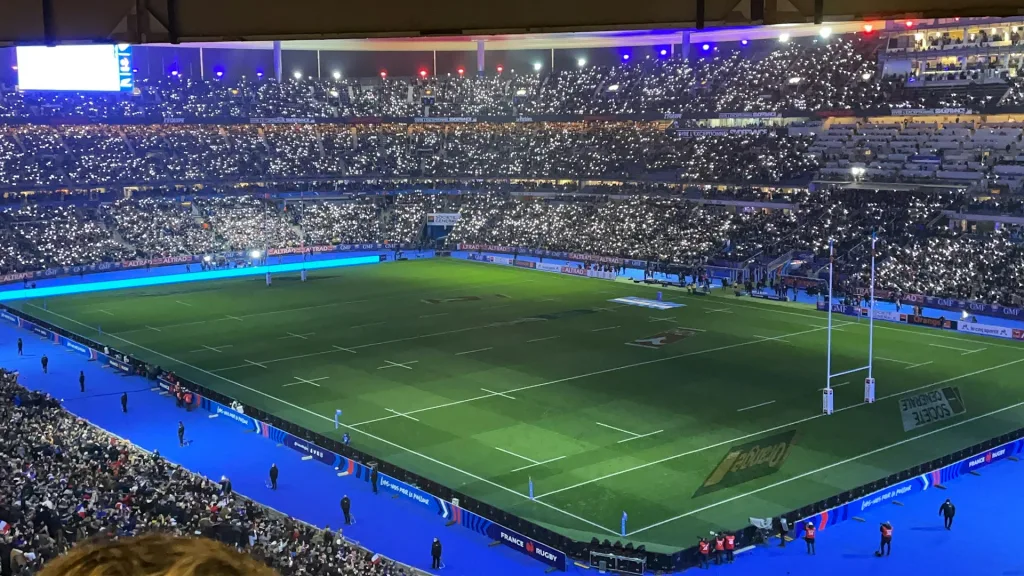
Not every route outside the rugby union’s own website carries the same level of risk.
Buying directly from the union, stadium, official ticketing partner or authorised hospitality provider will normally be the lowest-risk option. The difficulty is that these routes frequently sell out for the most desirable Six Nations matches.
Established resale marketplaces sit somewhere in the middle. Prices can be considerably higher than original face value, but the platform may provide payment processing, customer support and buyer guarantees if a ticket is not delivered or turns out to be invalid. Before using one, read the current terms carefully so you understand exactly what protection is provided.
Private transactions through social media, forums or messaging apps provide the least structural protection. Genuine supporters do sell spare tickets privately, so the presence of a private seller does not automatically indicate fraud. The important difference is that you may have very little recourse if the person disappears after receiving your money.
For a fuller breakdown of the trade-offs, see our guide to official vs resale Six Nations tickets.
Never Let Urgency Make the Decision for You
One of the most reliable characteristics of a scam is pressure. A seller may claim that several other people are waiting, demand payment within minutes or insist that the tickets are being offered cheaply because they need to disappear immediately.
Sometimes a genuine seller really will have multiple interested buyers. The problem is that urgency also prevents you carrying out the checks that might expose a fraud.
A legitimate opportunity does not become safer because somebody else might buy it first. If something feels wrong, stop and investigate before sending money. Missing a match is frustrating; losing hundreds of pounds and still missing the match is considerably worse.
If the Price Looks Too Good to Be True, Ask Why
High-demand Six Nations fixtures can command substantial prices once official availability becomes scarce. That makes an unexpectedly cheap pair of tickets particularly tempting.
There may be a genuine explanation. Somebody may have had a late change of plans and simply want to recover what they paid. However, if every established seller is showing limited availability at high prices while one stranger offers premium seats for a fraction of the market value, that difference should make you more cautious rather than less.
Scammers rely on buyers wanting to believe they have discovered the bargain everyone else missed.
How Should You Pay for Six Nations Tickets?
Payment method matters because different methods provide different levels of protection if something goes wrong.
Where possible, use a method that creates a clear transaction record and provides some form of buyer protection. Directly transferring money to the bank account of an unknown individual generally leaves you with fewer options than purchasing through an established commercial platform.
Credit-card purchases can provide additional consumer protection in some circumstances, while ticket marketplaces may operate their own guarantees. The exact protection varies, so understand it before making the payment rather than after a problem occurs.
PayPal can also offer different levels of protection depending on how the payment is made. A commercial purchase using a protected goods-and-services transaction is not the same thing as transferring money as though the recipient were a friend or family member. If a stranger specifically asks you to give up buyer protection to save them a fee, think carefully about why.
What Should You Do If You Think You’ve Been Scammed?
Act as quickly as possible. Contact your bank, card issuer or payment provider and explain exactly what has happened. Depending on the payment method and how recently the transaction was made, they may be able to stop, trace or attempt to recover the funds.
If you purchased through a marketplace, open a support case immediately and preserve every piece of evidence. Keep order confirmations, payment receipts, emails, screenshots, seller details and your complete message history.
Social-media accounts and adverts should also be reported to the platform involved. In the UK, victims can report fraud through the national fraud-reporting system, while the relevant rugby union may also want to know if somebody is using its branding or ticketing materials fraudulently.
The union may not be able to recover your money, but reporting the scam can help stop the same seller targeting other supporters.
Six Nations Ticket Scams in 2027
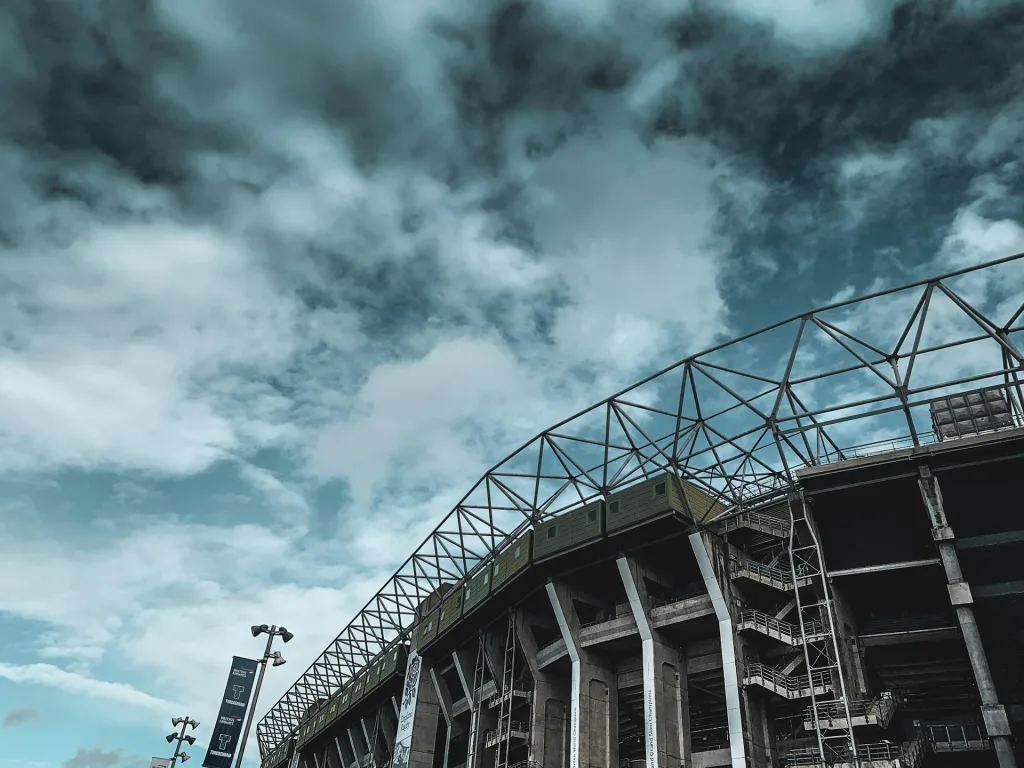
The 2027 Championship contains several fixtures that are likely to attract exceptionally strong ticket demand, creating exactly the conditions scammers look for.
Ireland host both England and France at Aviva Stadium, England host Scotland at Allianz Stadium and Wales host England in Cardiff. Supporters searching for those fixtures after official allocations have been exhausted are likely to encounter a mixture of genuine secondary-market availability and fraudulent offers.
Irish Rugby has already warned supporters about fraudulent ticket sales ahead of its 2027 home fixtures, highlighting unauthorised websites and social-media advertising as areas of concern. England Rugby also warns supporters about fake websites that imitate official ticketing pages.
The lesson is not that every ticket outside the official union website is fraudulent. It is that scarcity should never be confused with legitimacy. A seller having exactly the ticket you desperately need does not prove that the ticket exists.
Fake Ireland Six Nations Tickets
Tickets for Ireland internationals at Aviva Stadium are particularly attractive to scammers because supply is tightly controlled and demand for major fixtures can be enormous.
Irish Rugby has warned supporters about fraudulent platforms and ticket offers connected to the 2027 Championship. Anyone considering Ireland tickets should begin by checking the official IRFU ticketing guidance and recognised sales routes before looking elsewhere.
Be especially cautious of social-media adverts or unfamiliar websites claiming to have plentiful inventory for fixtures that are extremely difficult to access through normal channels.
Fake England Rugby Tickets
England Rugby also actively warns supporters about unauthorised ticket sellers and fraudulent websites.
Tickets for matches at Allianz Stadium increasingly rely on digital delivery through official systems, so buyers should understand how the ticket for their particular fixture is supposed to reach them.
If someone offers an England ticket in a format that does not match the RFU’s stated delivery process, investigate before paying. A professional-looking website or ticket image is not proof that the seller has any connection with England Rugby.
How to Buy Six Nations Tickets More Safely
You cannot eliminate every possible risk when purchasing outside official ticketing channels, but a few checks can reduce it significantly. Start by confirming the official sales status of the match and researching any seller you do not recognise. Make sure you understand how the genuine ticket should be delivered and never treat a screenshot alone as evidence of ownership.
Before completing a purchase, also check what happens if the ticket never arrives or does not work. Avoid allowing a seller to rush you into a payment method that removes your protection, and keep copies of all correspondence and transaction records.
If the price is dramatically lower than comparable tickets elsewhere, take a little more time to understand why.
Our complete guide to buying Six Nations tickets covers the main official, hospitality and resale routes if you are still deciding where to look.
Six Nations Ticket Scam FAQs
How can I tell if a Six Nations ticket is fake?
There is no single visual test that proves a ticket is genuine. Check the seller, confirm that the delivery method matches the system used by the host union or stadium and, where possible, make sure the ticket can be officially transferred into your own recognised account.
Is a screenshot of a rugby ticket valid?
Not necessarily. Some digital ticketing systems restrict or monitor screenshots and require the ticket to remain inside the official mobile application. Check the rules for the specific fixture before relying on a screenshot.
Are PDF Six Nations tickets genuine?
They can be, depending on the ticketing system used for that match. The key is to establish whether the host union actually uses PDF delivery. If the official guidance says tickets are mobile-only, an unexpected printable PDF should make you cautious.
Can the same rugby ticket be sold twice?
Yes. A dishonest seller can attempt to sell copies of the same valid ticket to multiple buyers, which is one reason recognised marketplaces and official transfer systems can provide additional protection.
Are tickets sold on social media always scams?
No. Genuine supporters sometimes sell unwanted tickets through social media, but private transactions carry more risk because accounts can be fake or compromised and there may be little buyer protection if something goes wrong.
What if a seller asks for another fee after I’ve already paid?
Do not automatically send more money. Verify the supposed transfer, activation or name-change charge independently through the official ticketing provider before making any further payment.
Is bank transfer safe for buying rugby tickets?
Sending money directly to an unknown person by bank transfer usually gives you less buyer protection than buying through a recognised commercial platform. Consider the potential consequences before paying.
Should I buy Six Nations tickets before they officially go on sale?
Be cautious. Some legitimate hospitality providers and partners may have access before standard public sales, but the seller should be able to explain exactly what is being offered and how the ticket will be supplied.
Can a rugby union help if I’ve bought a fake ticket?
The union will usually not be responsible for refunding money paid to an unauthorised seller, but it may be able to confirm legitimate ticketing procedures and investigate fraudulent businesses using its branding.
Buy Six Nations Tickets Safely
The strongest protection against ticket fraud is understanding how the ticket you are buying should legitimately move from the original owner or seller into your hands.
Start with the official union, club and authorised ticketing routes wherever possible. If those options have been exhausted, compare established alternatives with transparent terms, recognised payment systems and meaningful buyer protection.
Most importantly, do not allow a sold-out match to pressure you into ignoring warning signs you would normally notice. Six Nations tickets can be difficult to replace, but the money lost to a convincing scam can be much harder to recover.