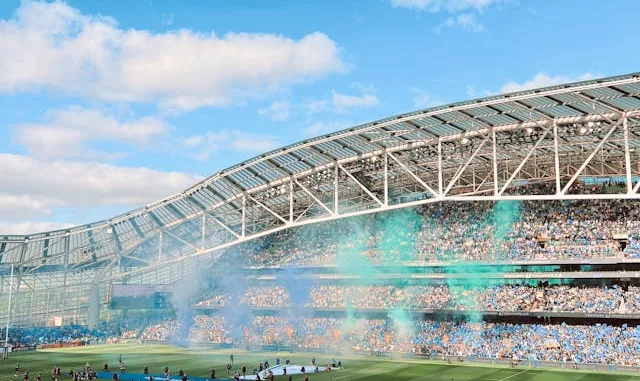
Attending a Six Nations match is about far more than the rugby itself. Each host nation brings its own traditions, stadium atmosphere, and matchday experience — making every venue feel unique.
This guide explains every Six Nations stadium, what fans can expect on matchday, how atmospheres differ, and why these venues are some of the most iconic in world rugby.
Whether you’re attending your first match or planning an away day, this page acts as a complete Six Nations matchday hub.
Twickenham Stadium (England)
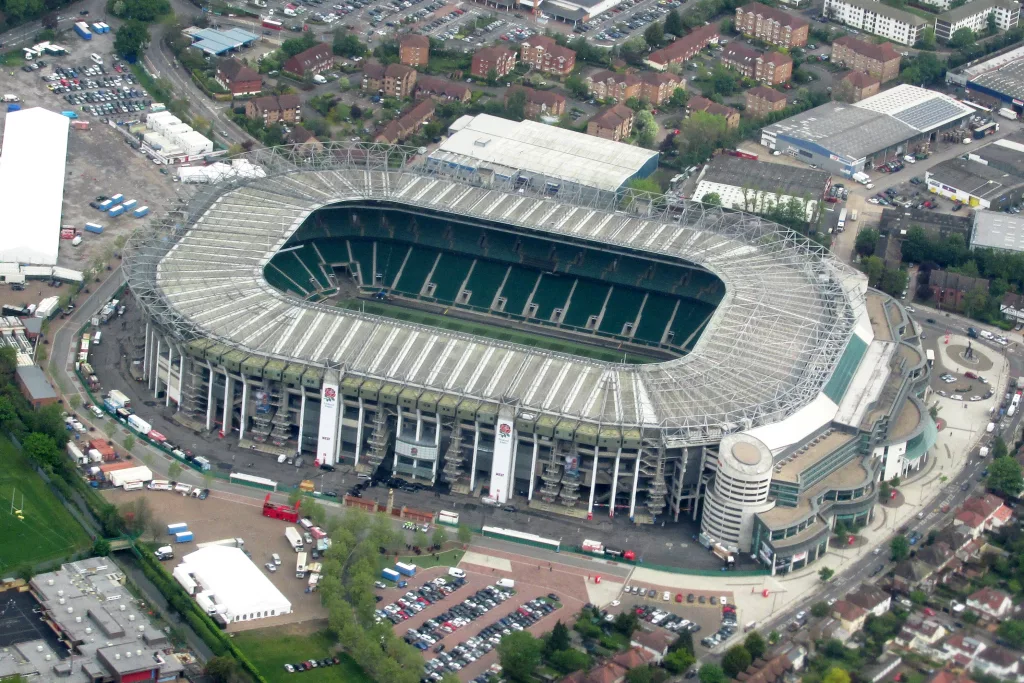
Location: London, England
Capacity: Over 80,000
Nickname: “The Home of Rugby”
Twickenham is the largest stadium in the Six Nations and the spiritual home of English rugby. England’s home matches here are among the most in-demand fixtures every year.
Matchday Atmosphere
- Traditional and family-friendly
- Builds steadily, especially for rivalry matches
- Loud during key moments rather than constant noise
What to Expect
- Excellent sightlines throughout the stadium
- Strong pre-match pub culture in Twickenham town
- Large crowds arriving early
Twickenham offers a classic international rugby experience and regularly hosts the tournament’s biggest games.
Principality Stadium (Wales)
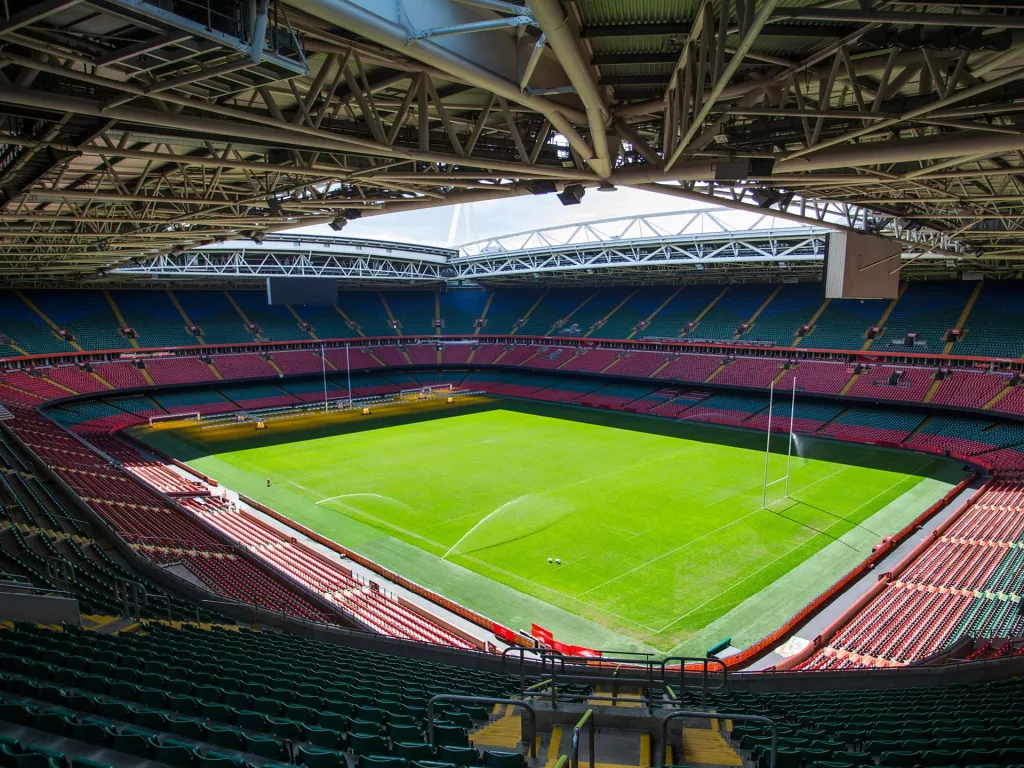
Location: Cardiff, Wales
Capacity: Over 73,000
Roof: Retractable
The Principality Stadium is widely regarded as the loudest venue in the Six Nations, especially when the roof is closed.
Matchday Atmosphere
- Extremely vocal crowd
- Singing throughout the match
- Intimidating for visiting teams
What to Expect
- Stadium located in the city centre
- Pubs and fan zones nearby
- Electric atmosphere from hours before kick-off
For many fans, a Six Nations match in Cardiff is a bucket-list rugby experience and there’s lots of things to do in Cardiff while you are there.
Aviva Stadium (Ireland)
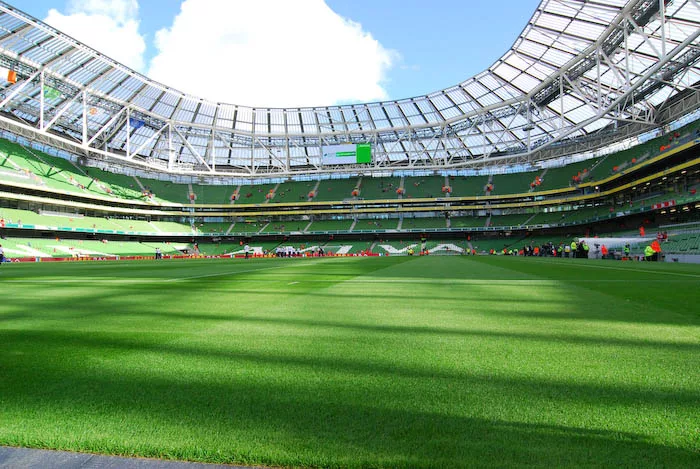

Location: Dublin, Ireland
Capacity: Over 50,000
The Aviva Stadium offers a modern, premium matchday experience and has become a fortress for Ireland in recent Six Nations campaigns.
Matchday Atmosphere
- Passionate but respectful
- Builds in intensity as matches progress
- Particularly strong for late tournament fixtures
What to Expect
- Easy access from Dublin city centre
- Mix of seated comfort and strong crowd involvement
- Excellent facilities and sightlines
The Aviva blends modern stadium design with deep rugby tradition.
Murrayfield Stadium (Scotland)
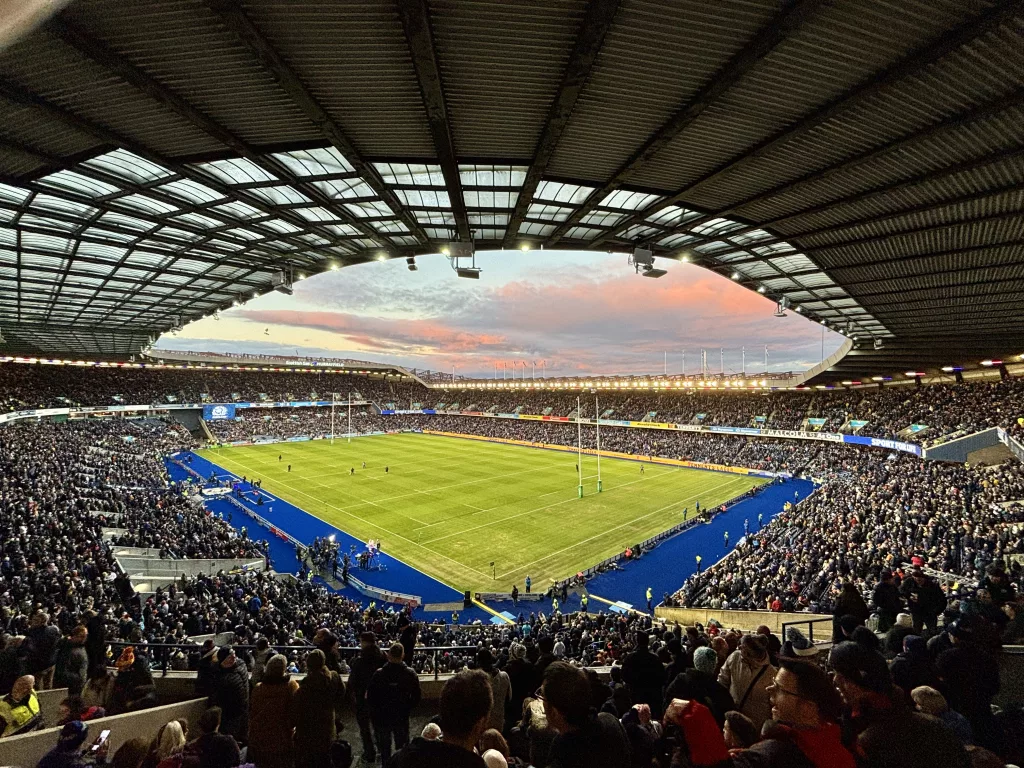
Location: Edinburgh, Scotland
Capacity: Over 67,000
Murrayfield is one of the most historic rugby venues in the world and hosts some of the tournament’s oldest rivalries.
Matchday Atmosphere
- Traditional, proud, and knowledgeable
- Huge noise for anthems and big moments
- Particularly intense for England fixtures
What to Expect
- Expansive stadium with excellent views
- Strong pre-match atmosphere across Edinburgh
- Cold-weather conditions common early in the tournament
Murrayfield offers a classic international rugby setting with modern upgrades.
Stade de France (France)
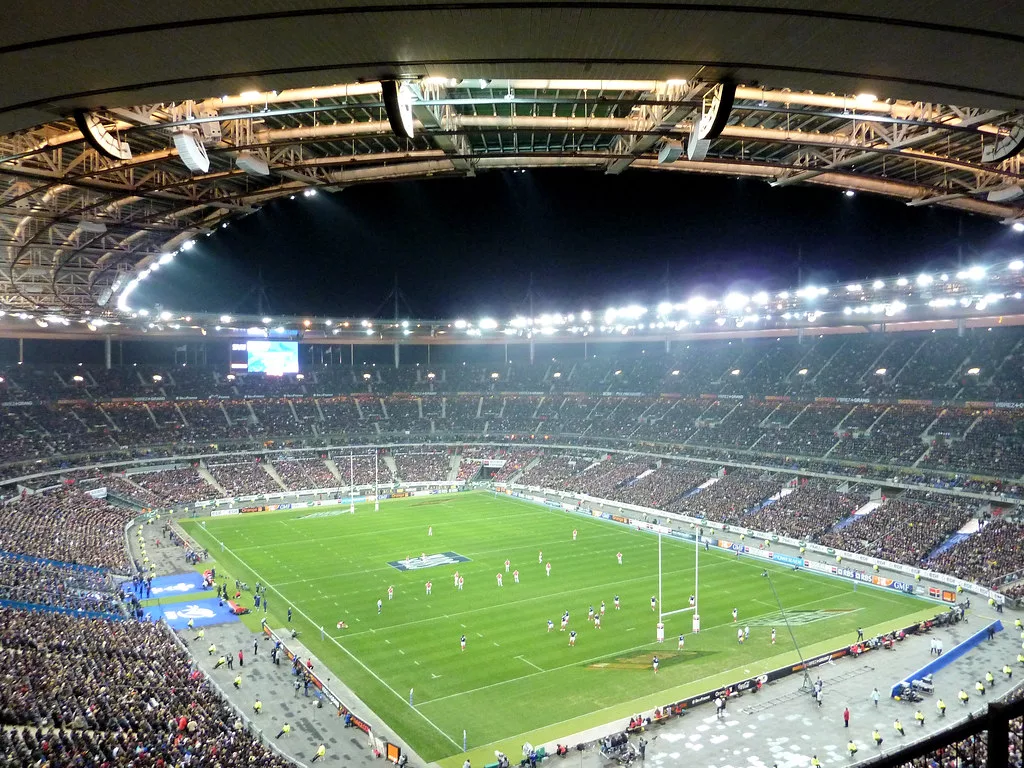
Location: Saint-Denis, Paris
Capacity: Over 80,000
The Stade de France is France’s national stadium and one of the largest venues in European sport.
Matchday Atmosphere
- Dramatic and unpredictable
- Explosive reactions to big plays
- Builds rapidly when France are performing well
What to Expect
- Excellent transport links from central Paris
- Wide concourses and modern facilities
- Strong visual spectacle with flags and colour
France’s Six Nations matches often feel theatrical — matching the team’s playing style.
Stadio Olimpico (Italy)
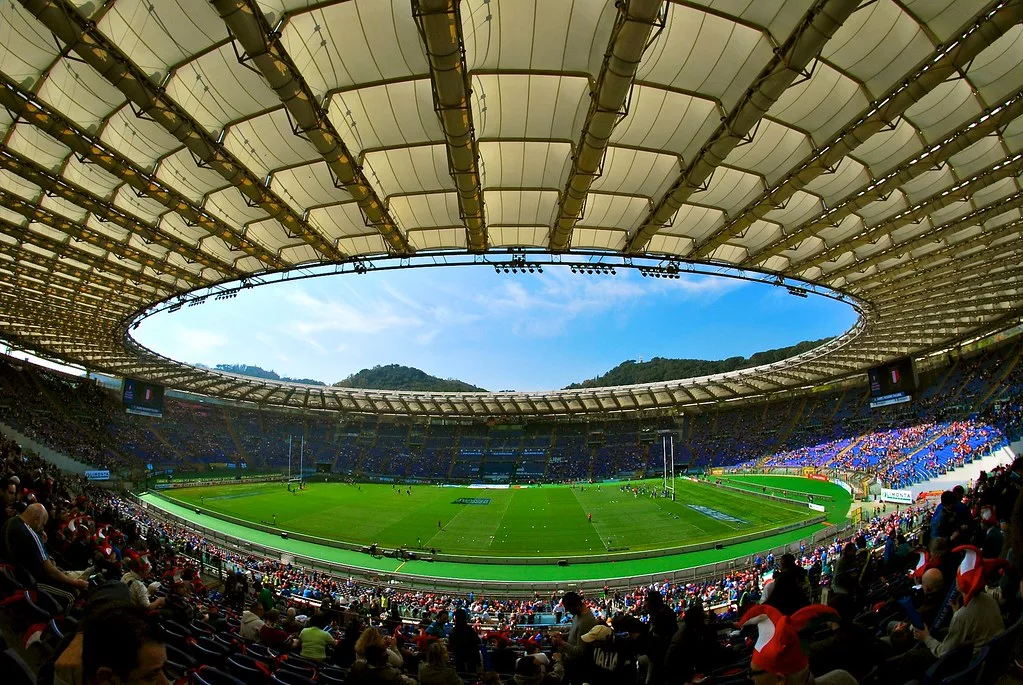
Location: Rome, Italy
Capacity: Over 70,000
Italy’s home venue offers a more relaxed Six Nations experience, making it popular with travelling supporters.
Matchday Atmosphere
- Friendly and welcoming
- Mixed crowd of home and away fans
- Less intense but very enjoyable
What to Expect
- Spacious seating and easy movement
- Opportunity to combine rugby with a city break
- Good availability compared to other venues
For many fans, Rome provides one of the most enjoyable away trips in the tournament.
How Six Nations Stadium Atmospheres Compare
Each Six Nations stadium delivers a distinct experience:
- Loudest: Principality Stadium
- Largest: Twickenham & Stade de France
- Most modern: Aviva Stadium
- Most historic feel: Murrayfield
- Most relaxed: Stadio Olimpico
This variety is part of what makes the Six Nations unique compared to other international competitions.
Travel & Matchday Planning Tips
Across all venues:
- Arrive early for security and seating
- Plan transport in advance — public transport is usually best
- Expect limited mobile signal in packed stadiums
- Check kick-off times carefully, especially for evening matches
Accommodation near stadiums often fills quickly for major fixtures. Visit our complete guide to Six Nations travel advice and how to get to the various stadiums.
Why Stadium Choice Matters for Fans
Where you watch a Six Nations match significantly shapes your experience:
- Atmosphere levels vary widely
- Seating layouts affect views and crowd engagement
- City locations influence pre- and post-match plans
Many supporters follow the tournament by attending matches in multiple countries over different seasons.
Get Six Nations Tickets
The Six Nations isn’t just defined by the teams on the pitch — it’s shaped by the stadiums that host them. From the roar of Cardiff to the traditions of Twickenham and the theatre of Paris, each venue offers something different.
Understanding what each stadium offers helps fans plan better, choose the right fixtures, and make the most of one of rugby’s greatest annual events.
And you can be there live at any one of these great host stadiums. Book your Six Nations tickets.