
The Six Nations Championship has produced some of rugby’s greatest players, teams, and moments. While records exist to be challenged, some achievements feel almost untouchable — not because modern players lack talent, but because the game itself has changed.
Increased competition, player welfare rules, tactical parity, and shorter international careers mean certain Six Nations records may never be broken. Here are the most remarkable of them — and the players and teams who set the standard.
Most Appearances in Six Nations History
Record holder: Sergio Parisse (Italy) – 69 appearances
Sergio Parisse’s longevity is unmatched in Six Nations history. Across nearly two decades, he remained Italy’s captain, talisman, and most influential player.


Why this record may never be broken:
- Strict workload management for elite players
- Increased injury prevention and rotation
- Shorter international careers at the top level
Modern players are rarely selected continuously for long enough to approach this total.
Most Six Nations Championships Played by One Player
Record holder: Sergio Parisse (Italy)
Closely linked to appearances, Parisse featured in more Six Nations tournaments than any other player — a reflection of durability, consistency, and leadership in a physically demanding era.
As international squads become deeper and rotation more common, repeating this level of sustained selection looks increasingly unlikely.
Most Career Points in Six Nations History
Record holder: Johnny Sexton (Ireland) – 566 points
Johnny Sexton holds the all-time Six Nations points record, surpassing previous greats through consistency across multiple championships.

Why this record may stand:
- Fewer penalty attempts in modern rugby
- Shared kicking responsibilities
- Increased focus on territory over goal-kicking
Accumulating points over so many tournaments now requires exceptional longevity and form.
Most Points Scored in a Single Six Nations Tournament
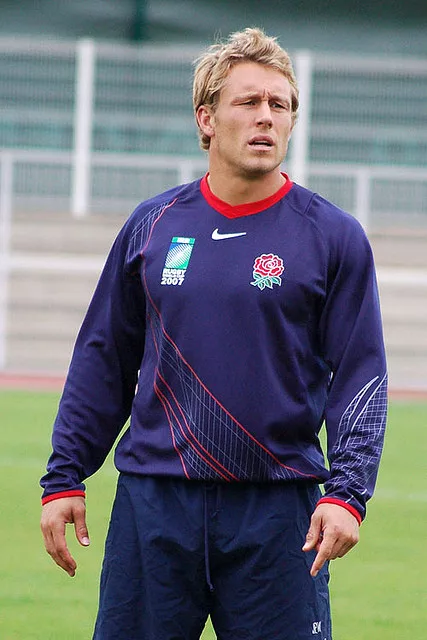
Record holder: Jonny Wilkinson (England) – 89 points (2001)
Wilkinson’s 2001 campaign remains one of the most dominant individual performances in Six Nations history.
Why it’s unlikely to be broken:
- Defensive systems reduce scoring chances
- Teams kick fewer penalties at goal
- Rotating kickers reduce individual totals
Even elite goal-kickers struggle to match this scoring output today.
Most Points Scored in a Single Six Nations Match
Record holder: Jonny Wilkinson (England) – 35 points
Wilkinson’s single-match scoring record highlights a time when one player could control territory, penalties, and conversions in a way rarely seen now.
Modern tactical approaches spread responsibility more evenly across teams.
Most Tries Scored in Six Nations History
Record holder: Brian O’Driscoll (Ireland) – 26 tries
Brian O’Driscoll’s try-scoring record reflects both his attacking brilliance and remarkable consistency across multiple tournaments.

Why this record may endure:
- Defensive spacing is far tighter
- Attacking patterns prioritise team structures
- Fewer players stay at international level long enough
O’Driscoll combined longevity with finishing ability in a way rarely replicated.
Largest Winning Margin in a Six Nations Match
Record holder: England 80–23 Italy (2001)
England’s 57-point victory remains the biggest winning margin in Six Nations history.
Why it may never be surpassed:
- Narrower gaps between teams
- Stronger defensive organisation
- Game management limiting late-match scoring
Modern teams rarely allow scorelines to run away to this extent.
Most Grand Slams in the Six Nations Era
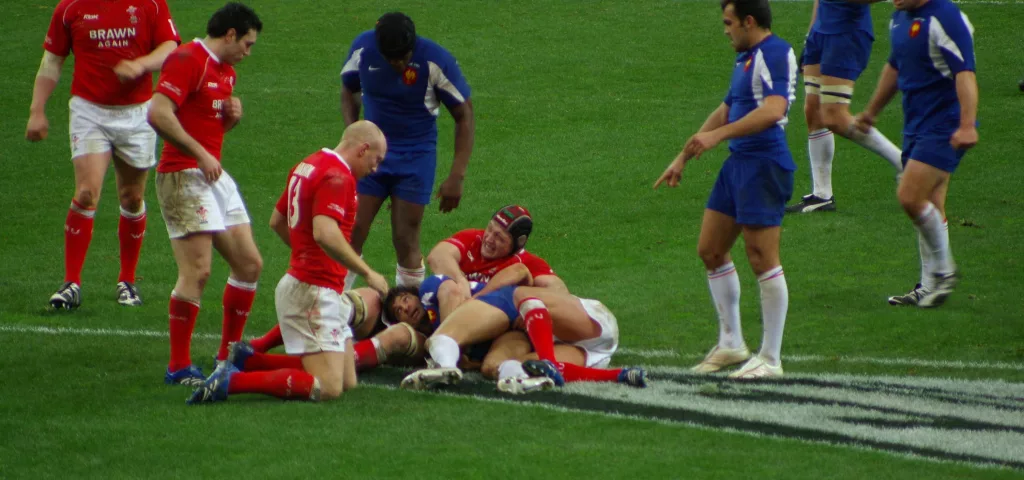
Record holder (Six Nations era): Wales & France
Wales have 4 in the following years – 2005, 2008, 2012, 2019 and France in the following years – 2002, 2004, 2010, 2022. Winning a Grand Slam requires defeating all five opponents in one tournament — a feat that has become increasingly difficult.
Why adding more is so hard:
- Bonus-point pressure encourages risk
- Stronger competition across all nations
- Smaller margins between top teams
Even dominant teams often drop one match.
Longest International Careers at the Top Level
Notable example: Sergio Parisse, Brian O’Driscoll, Alun Wyn Jones
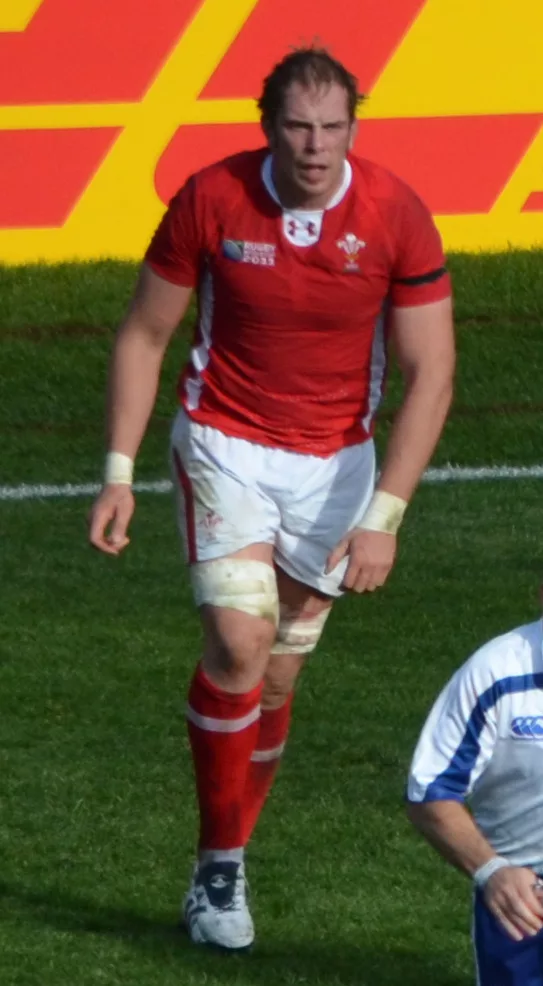
Extended international careers used to be more common. Today:
- Physical demands are higher
- Club seasons are longer
- Injury management is stricter
Sustaining elite performance across 15+ Six Nations tournaments is now extremely rare.
Why These Records Are So Hard to Break
The modern Six Nations is:
- Faster and more physical
- Tactically balanced
- Data-driven and highly analysed
- Far more competitive from top to bottom
Records set in earlier eras benefited from:
- Less squad rotation
- Greater reliance on individual stars
- Wider performance gaps
Context matters — and it explains why many records still stand.
While new stars will emerge and milestones will fall, some Six Nations records feel protected by the evolution of the game itself.
These achievements — from Sergio Parisse’s longevity to Jonny Wilkinson’s scoring dominance — represent extraordinary moments in rugby history. They remind us that the Six Nations isn’t just about winning matches, but about leaving a legacy that lasts long after the final whistle.
View our Six Nations History page for some more insights.